Evergreen looks like a postcard, but its housing market does not behave like a typical Denver suburb. Steeper lots, wells and septic systems, and mountain weather all change how homes are priced, shown, and financed. If you understand those drivers, you can time your move and avoid costly surprises. This guide breaks down inventory, price bands, seasonality, and closing factors so you can plan with confidence. Let’s dive in.
Evergreen vs. Denver: what’s different
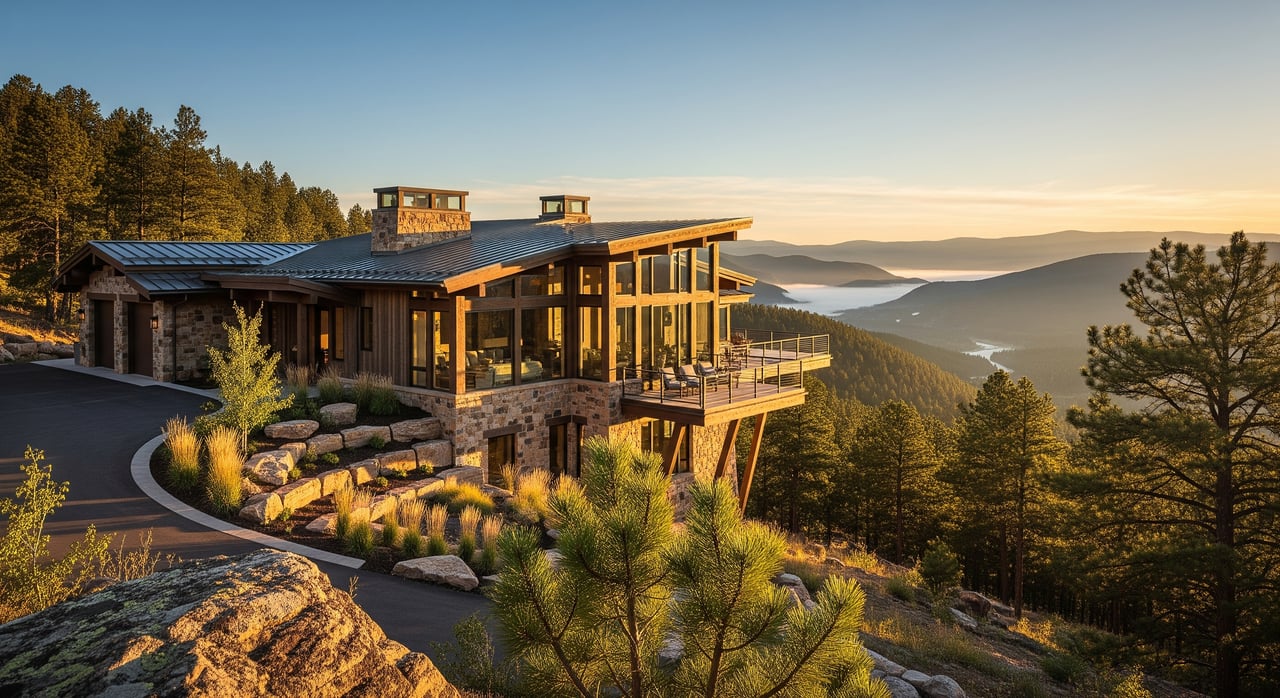
Evergreen is a mature mountain community with larger, more varied lots and far fewer condos or townhomes than you see in Denver. New construction is limited by topography, onsite services, and wildfire mitigation rules. That constrains supply and makes each listing more influential on local pricing. County rules also matter because most of Evergreen sits in Jefferson County, with some nearby areas in Clear Creek County.
Housing stock and lots
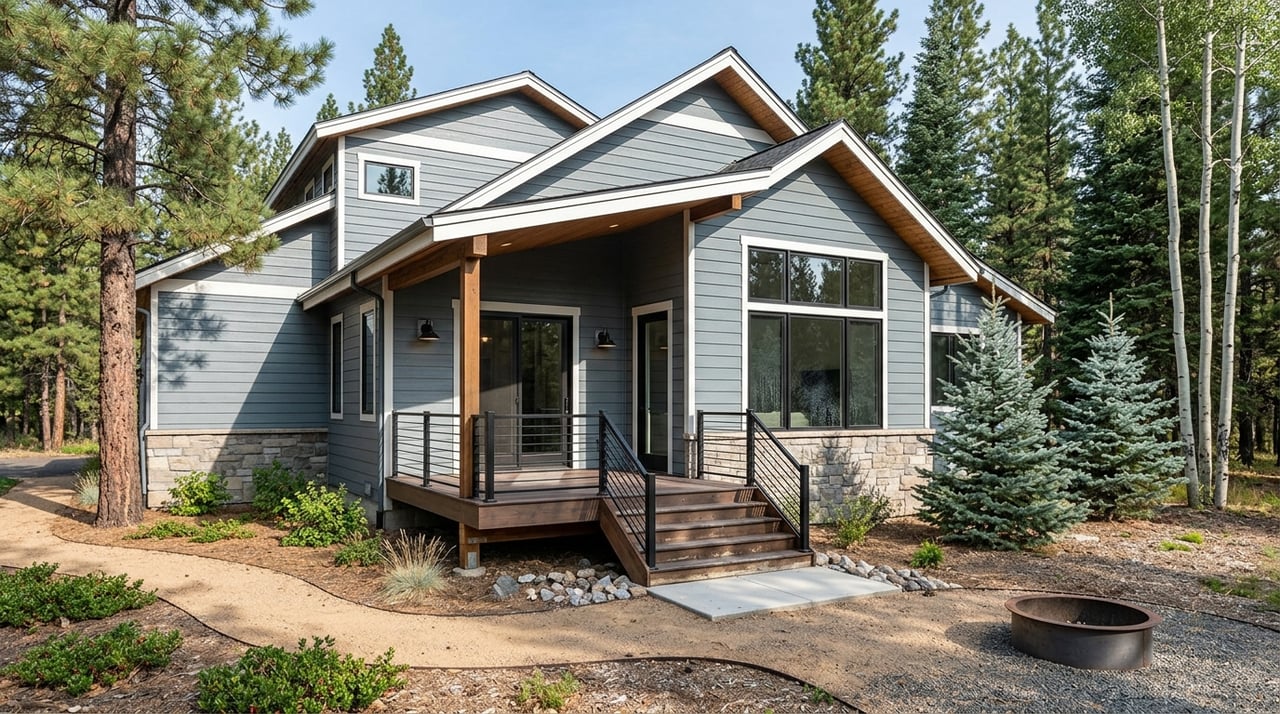
You will find cabins, log homes, and single‑family properties on everything from small cabin lots to multi‑acre parcels. Lot usability is key. A home on a steep, less usable lot can value very differently than a similar home on a flatter site. Access and winter conditions also matter for day‑to‑day living and for resale.
Micro‑neighborhoods and price drivers
Micro‑areas create clear price bands. Properties near Evergreen Lake and the town center tend to command premiums for proximity and amenities. Areas like Bergen Park, Hiwan, and Upper Bear Creek often sit in mid‑to‑upper price ranges with larger lots, while outlying parcels toward Conifer or the Clear Creek County line show wider price dispersion. View corridors, privacy, and road maintenance all influence what buyers will pay.
Inventory and pricing patterns
Evergreen runs on lower absolute inventory than most Denver suburbs. That means months of supply can swing quickly when just a few homes list or a standout property sells. Sellers and buyers should be ready for sharper moves between price bands even without big macro shifts.
Price bands explained
Local price bands tend to align with lifestyle and financing profiles. Entry properties can be cabins or smaller homes, mid‑range homes often offer moderate lots and updates, and higher‑end properties bring acreage, privacy, or striking views. Financing and inspection requirements for wells and septic systems can narrow the buyer pool at certain levels, which reinforces these bands.
Using comps in the mountains
Comparable sales are more heterogeneous here. Two homes can be similar in size but differ in usable land, driveway grade, remodel level, and winter access. Appraisals may rely on a smaller pool of comps, so adjustments are common and volatility can be higher than in the city.
What pushes prices up or down
- Upward pressure: limited supply, desirable micro‑neighborhoods with lake access or views, and seasonal spikes in buyer traffic.
- Downward pressure: winter selling conditions, higher mortgage rates, wildfire risk perceptions, dated condition or major repairs, and the rare instance when several similar listings hit at once.
Seasonality and days on market
Peak buyer activity runs late spring through early fall. Better weather makes showings and inspections easier, and out‑of‑area buyers are more likely to visit. Late fall through early spring is slower, especially during heavy snow periods.
How seasonality shifts DOM
Days on market typically shortens in summer when travel is easier and more listings hit. Winter can lengthen DOM because of weather, access, and slower logistics for inspections like well yield tests and septic certifications. A small number of listings can set the pace in any given month due to low inventory.
Other DOM factors you can manage
- Pricing: accurate pricing to the right band can speed up showings and offers.
- Condition: homes that are decluttered, staged, and easy to access show better. Clearing driveways and walkways in winter is essential.
- Financing and inspections: properties with wells, septic, private roads, or easements may require extra documentation and time, which can extend contract timelines if not anticipated.
Financing, inspections, insurance
Mountain properties bring added steps. Planning for them early reduces risk and keeps your timeline on track.
Wells and septic
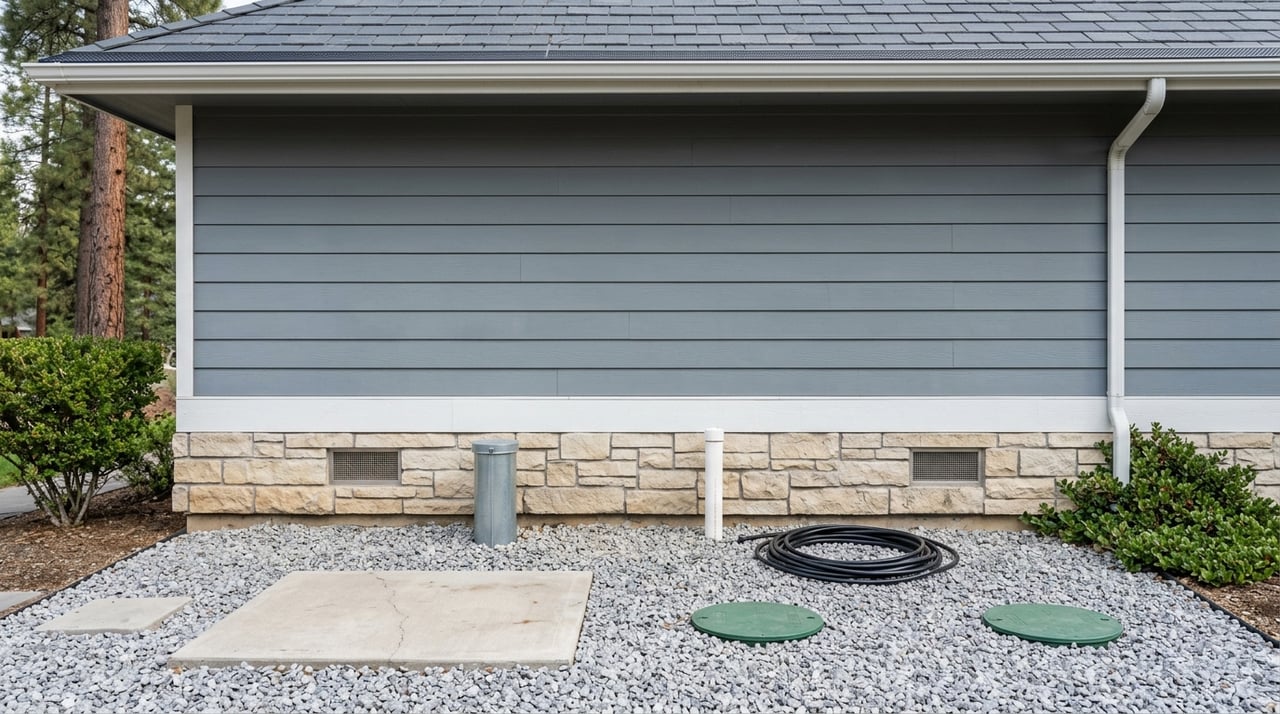
Many lenders require specific inspections and certifications. VA and FHA loans can carry additional requirements. If a system is nonstandard or failing, loan options and buyer pools may shrink, which can affect price and timing.
Wildfire and insurance
Forested lots and Wildland‑Urban Interface exposure increase underwriting scrutiny. Insurers may ask for mitigation like defensible space or ember‑resistant features. Roof age, snow load, and siding condition can also impact insurability and inspection outcomes.
Access, title, and HOAs
Some roads are privately maintained. Clarify who handles plowing and repairs, and review any road maintenance agreements. Easements, access, and HOA rules around rentals or exterior changes can influence both value and financing.
Buyer checklist for Evergreen
- Verify water and sewer: municipal vs. private well/septic. Collect well yield, water potability, and septic inspection reports.
- Evaluate access: driveway grade, snow removal plan, and whether 4WD is practical in winter.
- Assess lot usability: flat areas, buildability, and outbuildings.
- Review insurance: wildfire mitigation steps and roof condition.
- Budget for appraisal variance: unique features can lead to appraisal gaps.
- Confirm road and HOA details: maintenance, dues, and any restrictions.
Seller playbook: prep, pricing, timing
- Price to the right band: align with the closest competitive set and adjust for lot usability, access, and views.
- Pre‑inspect smartly: consider well and septic pre‑inspections, roof evaluations, and documentation for road agreements to reduce surprises.
- Stage for the mountain buyer: highlight access, storage for gear, outdoor living, and view corridors.
- Time the market: listing in late spring or early summer often maximizes traffic. Winter listings can still succeed with sharp pricing and strong preparation.
What to ask your agent
- Which comps truly match my lot, access, and remodel level?
- How will you price within local bands and adjust for view or usability?
- What is the plan for winter showings, including plowing and safe access?
- Do you recommend pre‑inspections for well/septic and roof?
- How will we handle potential appraisal gaps and lender requirements?
- What documents should we gather now for private roads, easements, or HOA rules?
The bottom line
Evergreen’s market is shaped by physical constraints, smaller and more variable inventory, and clear seasonal patterns. That mix amplifies the impact of pricing strategy, property condition, and timing. With the right plan, you can navigate price bands, reduce friction around wells, septic, and insurance, and move on your timeline with fewer surprises. If you want a technically informed, local strategy for buying or selling in Evergreen and nearby foothills, talk with the team at Envision Realty Group.
FAQs
Is Evergreen usually pricier than Denver suburbs?
- Evergreen homes often command a premium per property due to larger lots, views, and limited supply, though price per square foot varies by neighborhood and condition.
When is the best time to list or buy in Evergreen?
- Late spring to early summer typically brings the most buyer traffic. Motivated buyers may find opportunities in winter when competition is lighter and logistics are planned.
Why do days on market swing so much in Evergreen?
- Low inventory means a handful of listings or one standout sale can shift averages. Unique lot and home features add more variability.
Do wells and septic systems make financing harder?
- Yes. Many lenders require specialized inspections and certifications. This can limit loan options and extend timelines if not addressed early.
How does wildfire risk affect buying and insurance?
- Higher perceived risk can raise insurance costs and deter some buyers. Mitigation measures like defensible space can improve insurability and marketability.
Should I expect a longer closing in the mountains?
- Possibly. Well and septic testing, appraisal complexity, and access or road maintenance questions can add time. Pre‑inspections and clear disclosures often speed things up.