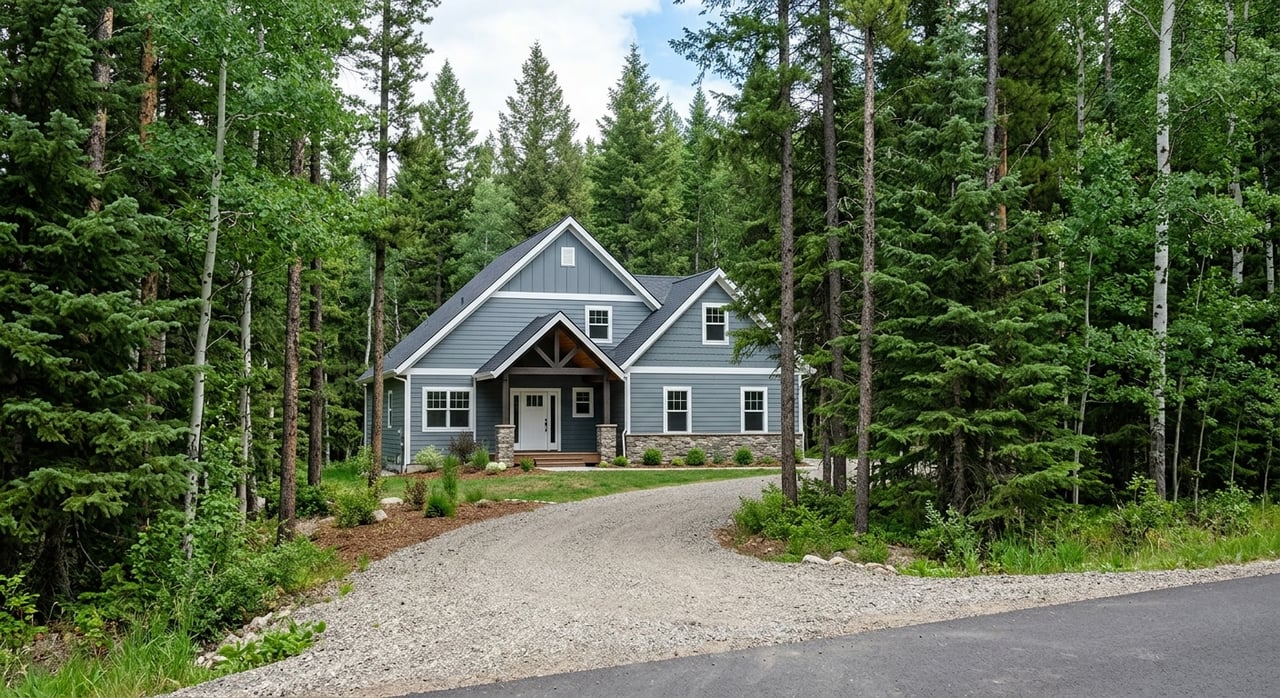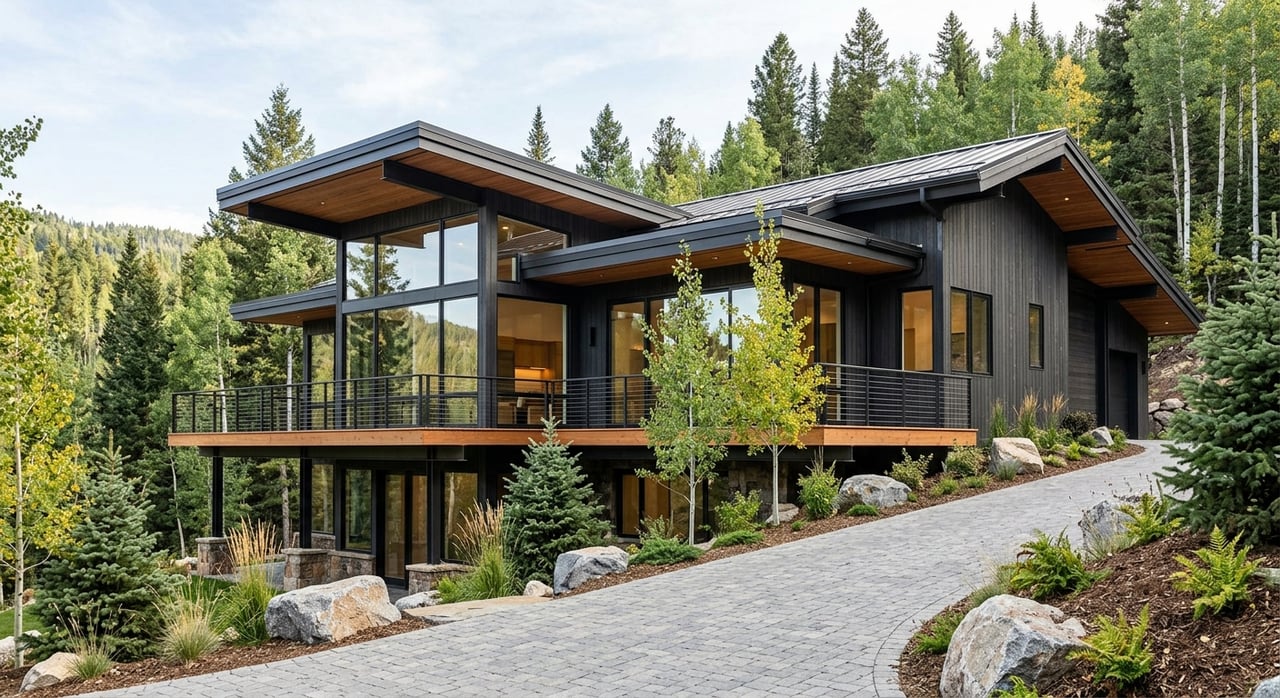
Thinking about trading mountain roads for an easier Denver commute? If you own a home in Evergreen and plan to move toward the Front Range, you are likely balancing two big goals at once: selling well and buying smart. The good news is that with the right prep, pricing, and timing strategy, you can protect your equity and reduce stress during the move. Let’s dive in.
Understand Your Evergreen-to-Denver Move
Selling in Evergreen is not the same as selling in a typical metro suburb. Buyers often look closely at a mountain home’s condition, exterior maintenance, and property systems before they make an offer. That matters even more in a market where buyers are taking a measured approach and favoring homes that feel move-in ready.
As of May 2026, Redfin reports Evergreen’s median sale price at $888,268, with homes averaging 19 days on market. By comparison, Denver was $634,620, Arvada $631,622, Thornton $519,689, Westminster $554,668, and Golden $959,426. If you are moving toward Denver, that can mean different things for your budget depending on where you want to land.
How your equity may translate
If you are moving from Evergreen to Arvada, Thornton, or Westminster, current median sale prices suggest you may be moving into a lower-priced market. If you are targeting Golden, current pricing suggests the opposite may be true. Denver itself sits below Evergreen’s current median, which may create more flexibility for some sellers.
That does not guarantee your net proceeds or your buying power, but it gives you a useful starting point. Your final outcome will still depend on your home’s condition, exact location, closing costs, and the type of home you plan to buy next.
Why Preparation Matters More Now
The Denver metro market entered summer 2026 with active inventory near decade highs, according to DMAR. The same report notes that buyers are prioritizing updated finishes and well-maintained systems, while homes with deferred maintenance are taking longer to sell. For Evergreen sellers, that shift is especially important.
Mountain homes ask buyers to think about more than paint color and countertops. They also notice the roof, gutters, drainage, decks, access, exterior debris, and the condition of major systems. When those details feel handled, your home is easier for buyers to trust.
Focus on visible maintenance first
Before listing, start with the items buyers are most likely to notice in photos, during showings, and in inspection periods. In a foothills market, clean and well-kept exterior features often shape first impressions just as much as interior updates.
A strong prep plan may include:
- Cleaning roofs and gutters
- Removing exterior debris near the home
- Checking drainage around the structure
- Reviewing deck condition and safety
- Making sure windows, doors, and vents appear maintained
- Servicing key mechanical systems if needed
- Addressing obvious deferred maintenance before photography
These steps are practical, market-driven improvements. They can help your home feel better cared for, which matters in a market where buyers have more choices.
Wildfire Prep Can Affect Marketability
In Evergreen and nearby foothill areas, wildfire readiness is not just a safety conversation. It can also shape how buyers view the property. The Colorado State Forest Service advises owners to think in terms of the home ignition zone, starting at the structure and working outward.
That guidance includes reducing ignitable materials and debris near the home, cleaning roofs and gutters, screening vents, limiting combustible features close to the structure, and using fire-resistant materials where practical. For sellers, that means wildfire prep can support both resilience and presentation.
What Jefferson County sellers should verify
Jefferson County updated its wildfire resiliency code in 2026, effective July 1, 2026. For unincorporated Jefferson County properties in the wildland-urban interface, defensible-space permits can be required above 6,400 feet for new structures, additions, and some new development, with inspections handled by county-approved wildfire mitigation specialists.
Because Evergreen-area properties may fall under different county or jurisdictional rules, it is important to verify your parcel’s actual county and governing authority before assuming a permit requirement applies. If your home is in unincorporated Jefferson County, local rules around defensible space and structure hardening may be especially relevant.
Should you complete wildfire mitigation before listing?
In many cases, yes. Jeffco standards and Colorado State Forest Service guidance both support the idea that exterior preparedness is part of a home’s resilience. In a market where buyers are closely evaluating maintenance, that work can also strengthen your listing’s appeal.
Gather Septic and Well Records Early
If your Evergreen home uses an onsite wastewater system or private well, early record gathering can save time later. Jefferson County Public Health says owners can access septic documents and tank locations through the Citizen Portal. The county also notes that some use-permit applications require well-water testing in specific areas before approval.
Even if your transaction does not require extra testing, having records ready can make the process smoother. Buyers often feel more comfortable when important property information is organized and easy to share.
Documents worth locating early
If your property uses private systems, try to gather:
- Septic or OWTS documents
- Tank location details
- Maintenance records if available
- Well-related records if applicable
- Any prior reports tied to the property systems
This is where local, technical guidance can make a real difference. A mountain property sale often involves details that do not come up in a standard suburban transaction.
Plan the Sale and Purchase Together
One of the biggest mistakes sellers make is treating the sale of the current home and the purchase of the next home as separate projects. In reality, this move works best when you plan it as one calendar. Your listing prep, launch date, offer strategy, inspection period, closing timeline, move, and next purchase all affect each other.
That matters even more in a market that is no longer moving at the speed of 2021 or 2022. With inventory higher and buyers taking more time, it helps to build a plan that gives you options.
Common timing tools for a relocation move
When you are selling one home and buying another, several contract structures can help align the two transactions. Common examples include:
- A home-sale contingency
- A home-close contingency
- A continue-to-show clause
- A kick-out clause
- A rent-back clause
The right structure depends on your timeline, risk tolerance, and the competitiveness of both markets. The main goal is to avoid putting yourself in a position where you feel rushed to accept the wrong offer or buy the wrong replacement home.
Decide Whether to Sell First or Buy First
There is no one-size-fits-all answer. Some Evergreen sellers choose to sell first so they know exactly how much equity they can use for the next purchase. Others try to line up the next home first and use contract terms to create breathing room.
Your decision often comes down to three things: how much equity you need from the sale, how flexible your move dates are, and how comfortable you are with temporary housing if the dates do not align perfectly. This is less about guessing the market and more about building a plan that fits your life.
When temporary housing makes sense
If your sale closes before your next purchase is ready, temporary housing can act as a practical bridge. It can give you time to shop carefully in Denver, Arvada, Thornton, Westminster, Golden, or another Front Range location without forcing a rushed purchase.
Just remember that temporary housing planning is not only about where you will stay. It also includes where your belongings will go and how your closing dates will be structured.
Price Your Evergreen Home for Today’s Buyer
A successful price strategy should reflect current buyer behavior, not yesterday’s headlines. Evergreen remains a strong market, but DMAR’s June 2026 reporting points to a more measured environment with inventory elevated and buyers paying close attention to condition.
That means pricing should account for your home’s actual level of readiness. A well-prepared home that shows cleanly and has fewer obvious maintenance concerns may attract stronger interest than a similar home that still needs visible work.
What today’s buyers are likely comparing
Your buyer may be comparing your home against:
- Other Evergreen or foothills listings
- Move-in-ready options elsewhere in Jefferson or Clear Creek markets
- Front Range homes that offer easier access and fewer property systems to manage
That is one reason thoughtful preparation matters so much. In this market, presentation and condition can support value just as much as square footage and views.
Why Local and Cross-Market Guidance Helps
A move from Evergreen toward Denver sits at the intersection of two very different markets. You are not just selling a mountain home. You are also translating that sale into a purchase decision in a metro or suburban setting with its own pace, pricing, and inventory patterns.
That is where a relationship-driven, technically informed approach can help. When your advisor understands mountain property issues like defensible space, septic, and well records, and also works actively across Front Range communities, your plan can be more coordinated from day one.
If you are preparing to sell an Evergreen home and relocate toward Denver, the best next step is to build a strategy around your property, your timing, and your target area. Envision Realty Group can help you map out the sale, prepare your home for today’s buyers, and coordinate your move with clarity and confidence.
FAQs
Should I complete wildfire mitigation before listing an Evergreen home?
- In many cases, yes. Jefferson County guidance and Colorado State Forest Service recommendations both support exterior preparedness as part of a home’s resilience and marketability.
Do I need to sell my Evergreen home before buying near Denver?
- Not necessarily. Common contract tools can help align the sale and purchase, including home-sale, home-close, continue-to-show, kick-out, and rent-back structures.
Which Front Range areas may be lower priced than Evergreen?
- Based on May 2026 median sale prices reported by Redfin, Arvada, Thornton, Westminster, and Denver were below Evergreen, while Golden was above Evergreen.
What county rules should I check before selling an Evergreen property?
- Verify your parcel’s actual county and jurisdiction first. Jefferson County wildfire rules apply to unincorporated Jefferson County, and county-specific property system records may also matter if your home uses septic or a private well.
Why do septic and well records matter when selling a mountain home?
- These records can help answer buyer questions earlier and may reduce delays, especially if your property uses private systems that require documentation or testing in certain situations.