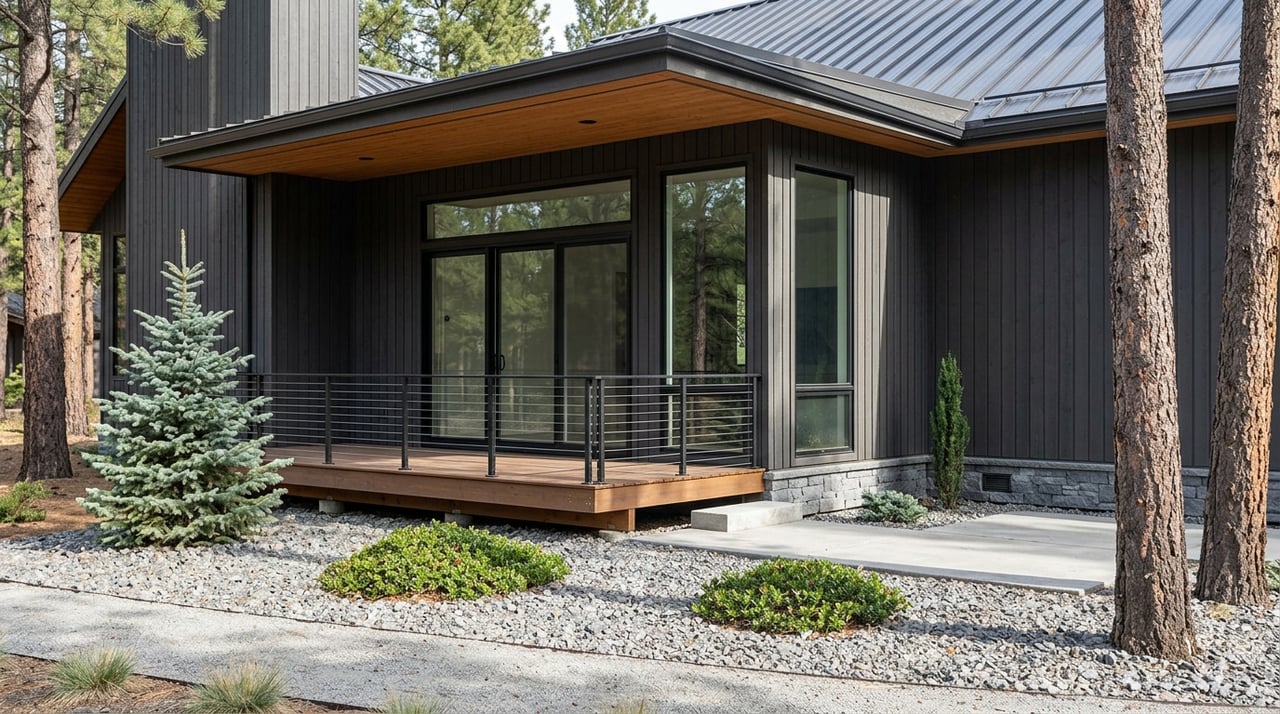
If you are thinking about selling a mountain home in Conifer, one question matters more than almost any other: when will your home hit the market, and at what price? You want to protect your equity, avoid sitting too long, and attract buyers who understand the value of a foothills property. The good news is that current market data gives you a clear starting point, especially when you pair it with smart prep for the unique details mountain buyers notice. Let’s dive in.
Conifer market conditions now
Selling in Conifer is not the same as selling in a fast-moving urban neighborhood. According to Redfin’s Conifer housing market data, the median sale price was $819,500 in February 2026, homes averaged about 75 to 77 days on market, and the average sale-to-list ratio was 97.3%.
That tells you something important. Buyers are still active, but they are generally taking more time and negotiating more than they might in some hotter Front Range pockets. Redfin also notes that homes in Conifer receive about one offer on average, while some well-positioned homes can go pending in about 17 days.
For broader context, Realtor.com’s Jefferson County market report shows a countywide median listing price of $625,000, 31 median days on market, and a 99% sale-to-list ratio in February 2026. Since that report blends foothills and urban areas, it should not replace Conifer-specific pricing, but it does show that the foothills often move on a different timeline.
Best time to list in Conifer
If timing is flexible, spring gives you the strongest setup. Public MLS trend data from REcolorado shows that homes across the Greater Denver Metro typically move faster in spring than in winter, with median days in MLS dropping from 47 days in January 2025 to 19 in March, then 14 in April and 14 in May before rising again later in the year, according to the January 2025 REcolorado Market Watch report.
That pattern continued into the late-year slowdown. The same reporting shows 35 days in October 2025 and 47 days in December 2025, which reinforces what many foothills sellers already feel in practice: winter and late fall usually require more patience.
Why late April through May stands out
For Conifer sellers, the strongest public-data window is late April through May, with June still workable if your property is well prepared and easy to show. That timing lines up with REcolorado’s spring housing trend reports and with national timing research from Zillow showing that homes listed in the last two weeks of May sold for 1.7% more nationally.
That Zillow figure is a national benchmark, not a Conifer rule. Still, it supports the same basic strategy: if you can enter the market during spring momentum, you may benefit from stronger attention while conditions are more favorable for showings and access.
Why winter can be harder for mountain homes
Mountain homes have extra variables that can matter more in colder months. Driveway conditions, snow removal, roof visibility, exterior maintenance, and ease of access all influence how buyers experience the property.
In a market where buyers are already taking time to evaluate homes carefully, those factors can slow decision-making. That does not mean you cannot sell in winter, but it usually means your pricing and presentation need to be especially sharp.
Pricing a mountain home correctly
In Conifer, pricing is not just about square footage, bedroom count, and a quick scan of nearby sales. A mountain property’s value is often shaped by features that suburban buyers might not think twice about, such as driveway access, topography, lot usability, utility setup, and mitigation work.
That is why accurate pricing depends on using comparable properties with similar mountain characteristics. If two homes have similar size but very different access, slope, well setup, or site usability, buyers may not value them the same way.
Expect negotiation, not a frenzy
Current Conifer data suggests you should price for today’s market, not for an unrealistic bidding war. With a 97.3% sale-to-list ratio and roughly 75 to 77 days on market per Redfin’s local snapshot, the average outcome points to some negotiation and a longer sale timeline than many metro sellers expect.
In simple terms, aggressive overpricing can cost you valuable time. A home that starts too high may sit, invite price reductions, and lose momentum with buyers who are watching closely.
Condition has a measurable impact
Condition matters in every market, but it can matter even more in the foothills. According to Zillow’s 2026 home features study, turnkey homes sold for 2.9% more than expected, remodeled homes for 2.2% more, and fixer-uppers sold for 14% less than comparable homes.
That does not mean you need a full remodel before listing. It does mean that visible deferred maintenance, unfinished repairs, dated presentation, or unclear systems can quickly affect how buyers price risk into their offers.
Mountain features buyers price carefully
Conifer buyers often look beyond finishes. They are also asking practical questions about whether the home is easy to live in, maintain, insure, and access.
Colorado’s current Seller’s Property Disclosure form specifically asks about access problems, roads or driveways used by others, public road borders, encroachments, unrecorded easements, water source and well permits, and association or metro district details. Those are not small items in a mountain sale. They can directly affect buyer confidence, financing, inspections, and value.
Focus on these pricing factors
When preparing a pricing strategy for a Conifer home, pay close attention to:
- Year-round driveway access and turnaround space
- Lot slope and usable outdoor space
- Well, water, septic, or utility documentation if applicable
- Easements, shared access, or encroachment questions
- Roof age, exterior condition, and visible maintenance needs
- Wildfire mitigation work and supporting records
A buyer may love your views and privacy, but they will still weigh these practical details carefully. Strong documentation and realistic pricing can help reduce uncertainty.
Fire mitigation matters to buyers
Wildfire readiness is a major part of selling many foothills properties. It is not just a maintenance issue. It is part of how buyers evaluate risk, insurance questions, and ongoing ownership costs.
Jefferson County states that properties within the Wildland Urban Interface Overlay District above 6,400 feet need a Defensible Space Permit for certain new structures, replacements, additions, and some new development, and mitigation work must be inspected by a county-approved forester. For sellers, this reinforces how important mitigation and documentation can be in the transaction process.
What buyers want to see
The Colorado State Forest Service recommends managing the home ignition zone in bands of 0 to 5 feet, 5 to 30 feet, and 30 to 100 feet from the structure. Their guidance includes cleaning gutters, removing debris, screening vents, maintaining clearance, and reducing combustible material near the home.
Even when a buyer is not an expert, they notice signs of good upkeep. A home that shows visible mitigation work and comes with organized records often feels more credible and easier to evaluate.
Build a strong seller prep file
One of the best ways to support your asking price is to make the home easier to understand. The Colorado Seller’s Property Disclosure form requires sellers to disclose known adverse material facts and specifically addresses items such as fire damage, water intrusion, roof problems, structural issues, access concerns, well and water information, HOA details, metro district status, and written reports or insurance claims.
For many Conifer sellers, an organized prep file can help answer buyer questions early and reduce hesitation. It can also support a smoother inspection and contract period.
Helpful documents to gather before listing
Consider assembling:
- Mitigation invoices and defensible-space records
- Roof work receipts
- Permit records for major work
- Septic or well paperwork, if applicable
- Survey, easement, or access documents
- Repair invoices and insurance claim records
- Any relevant inspection or contractor reports
When buyers can review clear records, they often feel more comfortable making a strong offer. In a market with moderate negotiating pressure, confidence matters.
A practical selling strategy for Conifer
If you want the best chance at a strong result, your strategy should combine timing, condition, and realistic pricing. The goal is not just to list. The goal is to launch in a way that matches how foothills buyers actually shop and decide.
A practical approach often looks like this:
- Prepare the home before spring if possible.
- Address obvious maintenance and safety concerns.
- Organize records for mitigation, roof, access, water, and permits.
- Price against truly comparable mountain properties, not just nearby homes.
- Aim for a late April or May launch when feasible.
- Stay flexible and data-driven once showings and feedback begin.
That kind of preparation helps you avoid the two most common seller mistakes in mountain markets: listing too high and assuming buyers will overlook unanswered property questions.
If you are planning to sell in Conifer, working with an advisor who understands mountain access, site conditions, and prep strategy can make a real difference. Envision Realty Group brings a practical, technically informed approach to foothills sales so you can price with confidence, prepare thoughtfully, and move forward with a clear plan.
FAQs
When is the best time to list a home in Conifer?
- Public market data points to late April through May as the strongest listing window, with June still workable and winter typically moving more slowly.
How much negotiation should Conifer sellers expect?
- Current Redfin data shows a 97.3% sale-to-list ratio in Conifer, which suggests many sellers should expect some negotiation rather than multiple aggressive offers.
Why is pricing a mountain home in Conifer different from pricing a suburban home?
- Conifer pricing often depends on factors beyond size and bedroom count, including access, topography, lot usability, utilities, mitigation work, and documentation.
Do wildfire mitigation details affect selling a home in Conifer?
- Yes. Jefferson County requirements, state mitigation guidance, and buyer risk concerns all make wildfire readiness and supporting records important in many foothills sales.
What documents should I gather before listing a Conifer mountain home?
- Helpful records often include mitigation invoices, roof receipts, permit records, septic or well paperwork if applicable, survey or easement documents, and repair or insurance claim records.